


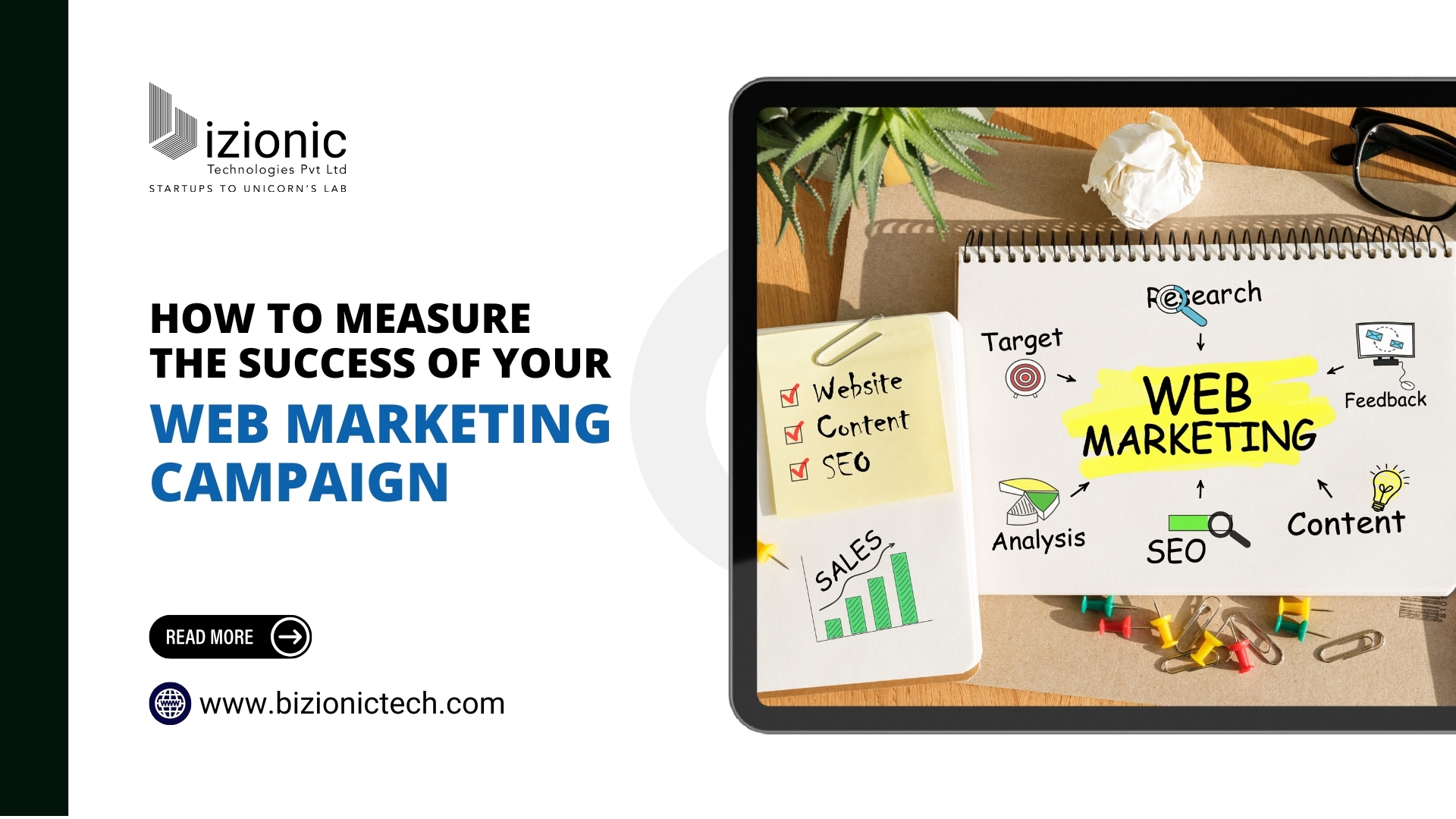
How to Measure the Success of A Web Marketing Campaign?
In today’s fast-paced business world, web marketing has become one of the most crucial tools for success. It’s no longer enough to have a website simply and hope people stumble across it. Effective web marketing is about crafting campaigns that attract visitors, engage them, and inspire them to take action whether purchasing, signing up for a newsletter, or sharing your content. But here’s the big question: how do you know if your digital marketing campaign works? Measuring success can seem daunting, but with the right approach, it’s entirely manageable.
· Set Clear, Actionable Goals
The first step in any successful campaign is setting clear and specific goals. Goals act as your roadmap, guiding every decision and action you take. Think about what you want to achieve. Do you want to increase website traffic, gain more newsletter signups, or boost sales? Be as specific as possible. For example, instead of saying, “I want more traffic,” define exactly how much more: 100 visitors per day or 10,000 per month? Vague goals lead to ambiguous results.
Additionally, make sure your goals are realistic. Setting unattainable targets, like doubling your revenue in a week, will only set you up for frustration, even if you make meaningful progress. Aim for achievable yet challenging goals that motivate you to improve.
· Monitor Website Traffic
Tracking website traffic is one of the easiest ways to measure your marketing campaign's performance. Tools like Google Analytics can provide invaluable insights into visitor behavior, including where they’re coming from, which pages they visit, and how long they stay.
Pay close attention to key metrics like bounce rate the percentage of visitors who leave your site without interacting. A high bounce rate may indicate that your content isn’t engaging or relevant to your audience. Similarly, track the time spent on your site. If visitors leave after just a few seconds, they likely won’t find what they were looking for, or your site may need better design and usability. Website traffic is about more than just volume; it’s about understanding what visitors do once they arrive.
· Track Conversion Rates
While website traffic is important, it doesn’t mean much if those visitors don’t convert. A conversion happens when a visitor takes the desired action, such as making a purchase, filling out a form, or subscribing to a newsletter.
Low conversion rates indicate that something in your funnel isn’t working. This could be unclear call-to-actions, messy landing pages, or a lack of trust signals. Minor adjustments like making buttons more prominent, simplifying forms, or improving your page design can significantly impact conversions. Traffic is just the beginning; conversions are where true success lies.
· Analyze Social Media Engagement
Engagement is a vital metric to track if your marketing campaign includes social media. Engagement refers to actions such as likes, comments, shares, and saves. These interactions indicate how well your content is resonating with your audience.
A lack of engagement might mean your content is too sales-focused or doesn’t provide enough value. Also, pay attention to follower growth or loss. Losing followers could suggest that your content is missing the mark while gaining followers shows that your audience finds your posts valuable. To boost engagement, experiment with different content formats, such as videos, polls, or behind-the-scenes glimpses, and monitor which types of posts perform best.
· Measure Email Marketing Performance
Email marketing is a critical component of web marketing and requires constant tracking. Key metrics to monitor include open rates and click-through rates (CTR). Low open rates often mean your subject lines aren’t grabbing attention, while low CTRs suggest your email content isn’t engaging enough or that links are hard to find.
Also, keep an eye on unsubscribe rates. If too many people opt out of your emails, it could mean you’re sending too many messages or your content doesn’t match their interests. A successful email campaign is personalized and precise and offers value to the recipient. Make sure your messaging aligns with what your audience wants.
· Evaluate ROI (Return on Investment)
At its core, marketing is about profitability. To determine whether your campaign is truly successful, calculate your ROI (return on investment). ROI helps you understand if your campaign is generating more value than it costs.
The formula is simple:
ROI=(Revenue−Expenses)÷ExpensesROI = (Revenue - Expenses) ÷ ExpensesROI=(Revenue−Expenses)÷Expenses
A high ROI indicates that your marketing efforts are working efficiently. If your ROI is low, analyze where you might be overspending or identify strategies that aren’t delivering results. Redirect your budget toward tactics with a proven track record of success and eliminate unnecessary expenses.
· Gather Feedback from Users
While data and metrics are beneficial, don’t underestimate the value of user feedback. Sometimes, asking is the best way to understand what’s working and what isn’t. Conduct surveys or solicit feedback directly from your users.
Measuring the success of your web marketing campaign requires time, effort, and a clear understanding of what you’re looking for. By setting actionable goals and focusing on the right metrics like traffic, conversions, engagement, and ROI you can make data-driven decisions to optimize your campaigns.
However, success isn’t just about numbers. It’s about understanding what those numbers mean and using them to improve. Whether it’s through analytics or user feedback, the key is to adapt, experiment, and refine your strategies until you achieve meaningful, measurable results. With consistency and focus, you’ll build campaigns that reach your audience and drive lasting business success. And if you need any help, we are right here! Contact us to get a free consult now!
 Anjini Badhey
1 year ago
2024-11-27
Anjini Badhey
1 year ago
2024-11-27
SERVICES
- Progressive Web App Development |
- Mobile App Development |
- Game Development |
- CRM Solutions |
- e-Commerce Development |
- Azure Services |
- Amazon Web Services |
- Data Science and Analytics Services |
- Enterprise Mobility Solutions |
- Cloud Consulting Services |
- Cyber Security |
- Cloud Infrastructure Setup and Management |
- Blockchain Development Services |
- AI Research and Development |
MARKETING
- Search Engine Optimization (SEO) |
- Pay Per Click (PPC) Services |
- Digital Marketing |
- UI/UX Services |
- Video Production |
- Content Marketing |
- Email Marketing |
- Influencer Marketing |
- Brand Marketing |
- E-Commerce Store |
- Payment Gateway |
- Voice Commerce |
- Chatbots Commerce |
- Customer Service Automation |
- Event Management |
- Campaign Monitoring |
- Layout Wireframes |
- Technical Analysis |
- Media Planning And Buying
TECHNOLOGIES
- Symfony |
- Drupal |
- MS Dynamics CRM |
- Salesforce |
- Sugar CRM |
- Shopify |
- SharePoint |
- Android Games |
- iOS Games |
- Website Development |
- Database Management |
- WordPress |
- Craft |
- Magento |
- Magento 2 |
- Quality Analyst |
- Unity 3D |
- Joomla |
- Opencart |
- WooCommerce |
- BigCommerce |
- NopCommerce |
- VirtueMart |
- Zencart
INDUSTRIES
- Startups Ecosystem |
- Real Estate |
- B2B Solutions |
- B2C Solutions |
- Healthcare |
- Travel & Hospitality |
- Banking & Finance |
- Media & Publishing |
- Education & e-Learning |
- Food & FMCG |
- Automotive |
- Retail and E-Commerce |
- Manufacturing |
- Telecommunications |
- Energy and Utilities |
- Government |
- Nonprofits |
- Professional Services |
- SaaS (Software as a Service) |
- Consumer Electronics |
- Fashion and Apparel |
- Agriculture